Optimal Timing for Pool Cover Patchings
Proper timing for pool cover patchings is essential to ensure durability and optimal performance. The ideal time depends on factors such as weather conditions, pool usage, and the type of cover material. Typically, patching is most effective during periods of mild weather when temperature fluctuations are minimal, reducing the risk of material expansion or contraction that could compromise the repair.
Late spring and early fall are optimal for patching, as temperatures are moderate and the pool is either not in heavy use or is preparing for winterization.
Dry, calm days with low humidity provide the best environment for patch adhesion and curing, minimizing issues related to moisture or wind.
Scheduling patching during periods of low pool activity reduces the risk of damage to the repair and allows for proper curing time.
Different cover materials may have specific temperature ranges for optimal patching; consulting manufacturer guidelines is recommended.
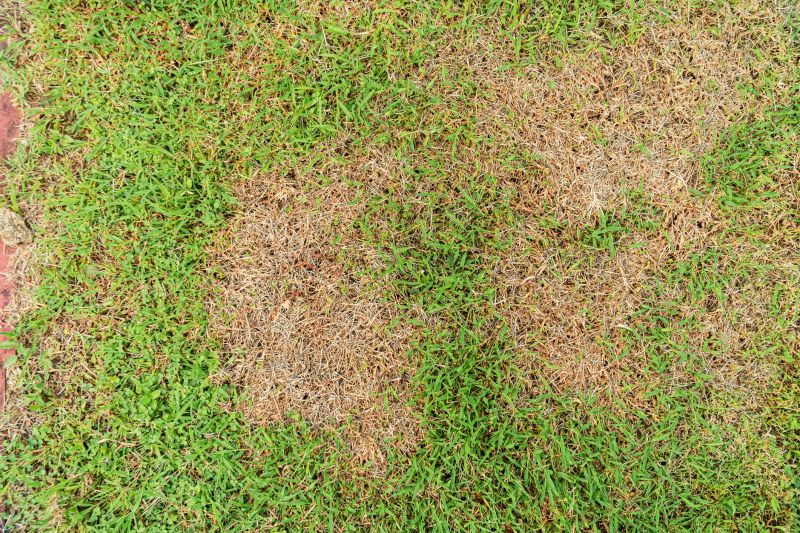
Spring offers moderate temperatures ideal for patching before heavy usage or winter.
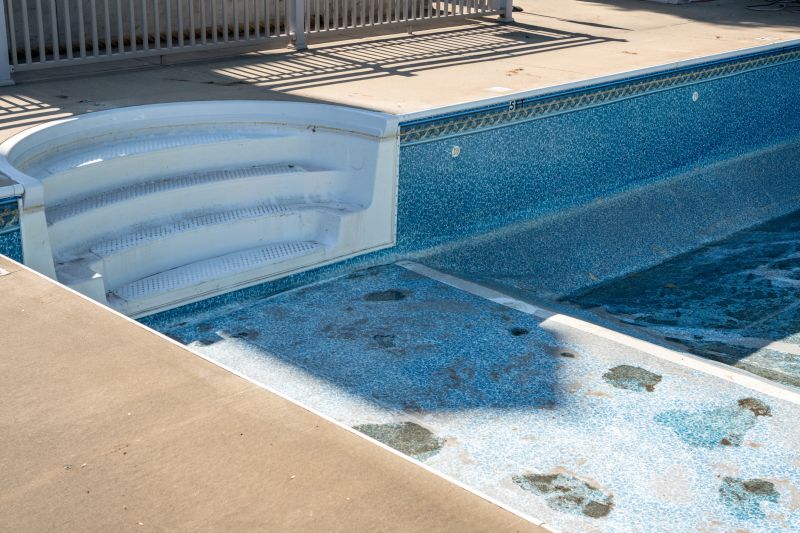
Fall provides suitable conditions for patching as temperatures decline but remain stable.
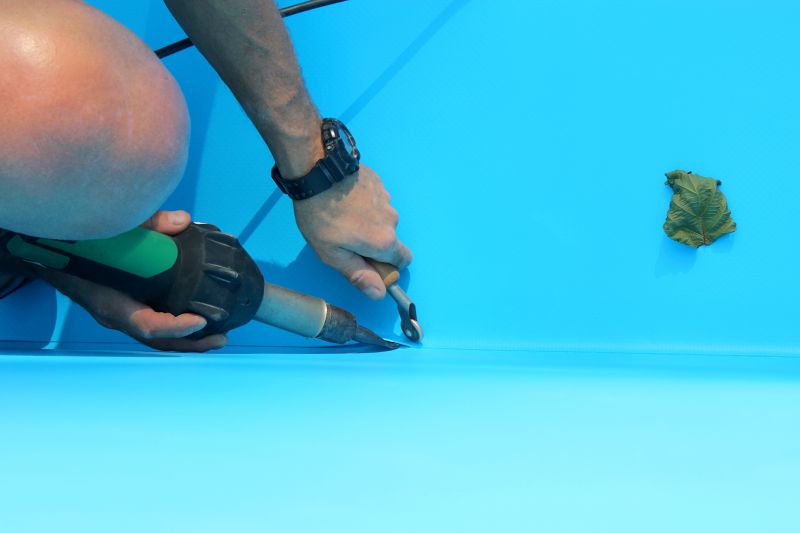
Dry, sunny days with low wind ensure effective adhesion and curing of patches.
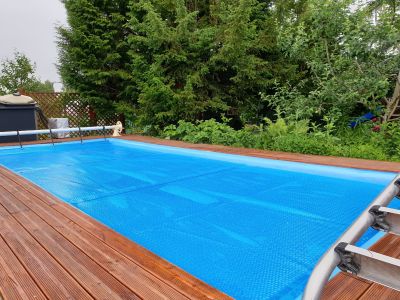
Ways to make Pool Cover Patchings work in tight or awkward layouts.
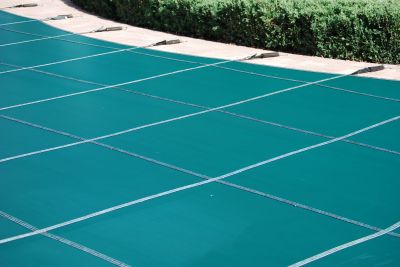
Popular materials for Pool Cover Patchings and why they hold up over time.
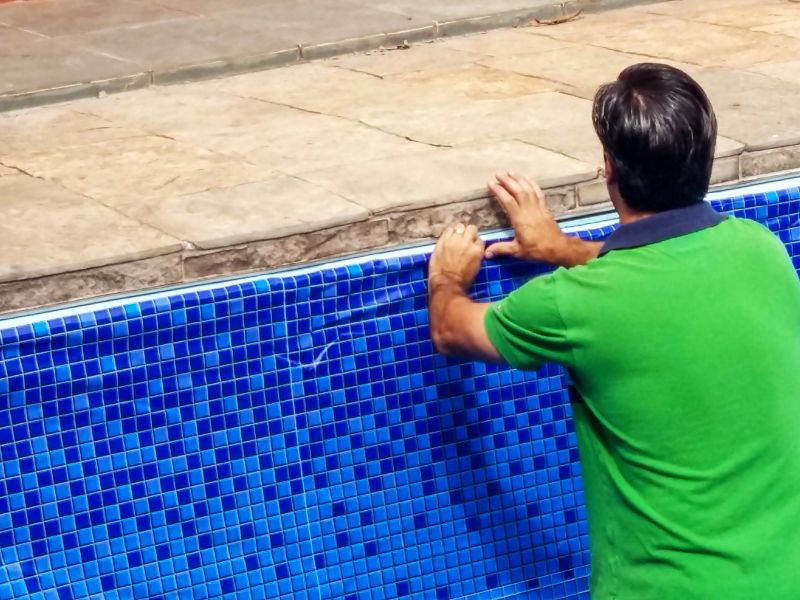
Simple add-ons that improve Pool Cover Patchings without blowing the budget.
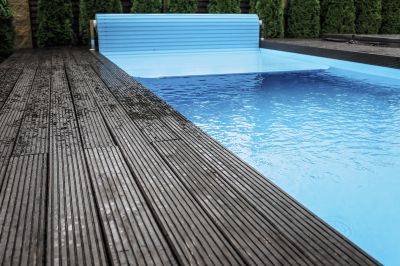
High-end options that actually feel worth it for Pool Cover Patchings.
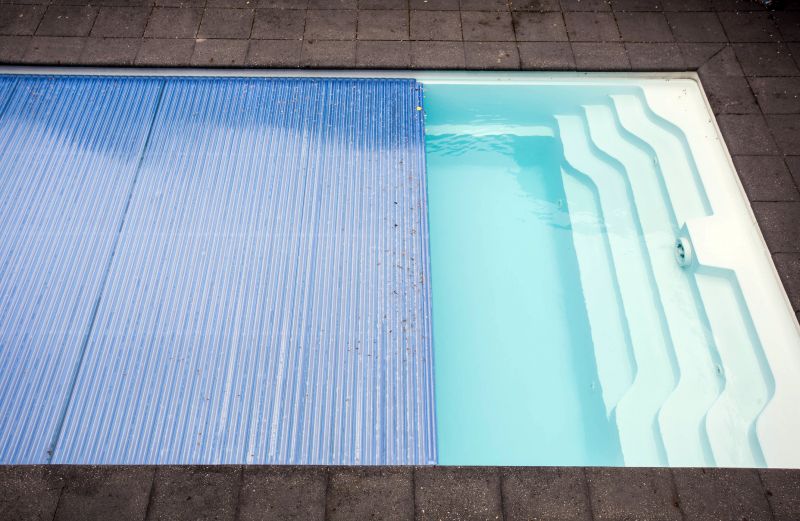
Finishes and colors that play nicely with Pool Cover Patchings.
| Factor | Recommended Timing |
|---|---|
| Temperature | Moderate (50-75°F) |
| Humidity | Low to moderate |
| Pool Usage | Low activity periods |
| Weather Conditions | Dry and calm |
| Material Type | Follow manufacturer guidelines |
| Season | Spring or fall |
| Inspection Frequency | Regular checks |
| Repair Urgency | Immediately upon damage detection |
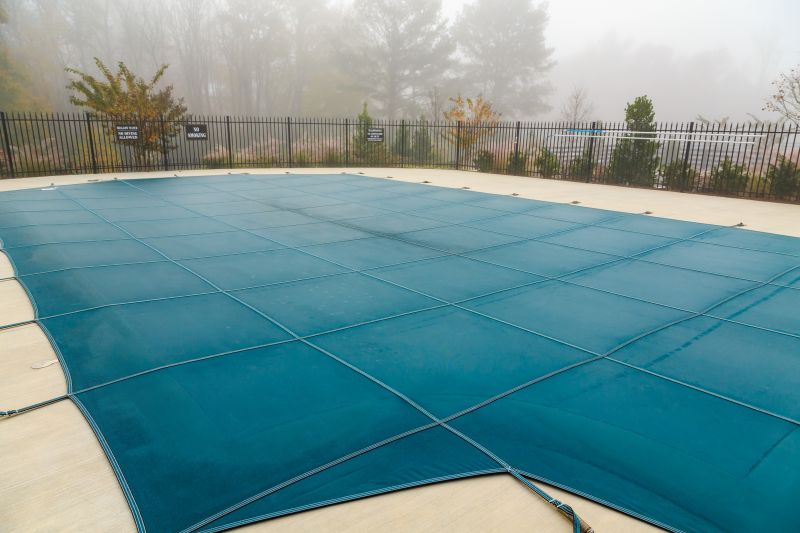
Pool cover patchings are a practical solution for maintaining the integrity of pool covers. They prevent debris from entering the pool and extend the lifespan of the cover by addressing small tears or punctures promptly. Proper patching involves selecting the right adhesive and patch material, cleaning the damaged area thoroughly, and allowing sufficient curing time. Statistics indicate that timely patching can reduce cover replacement costs by up to 30%, making it a cost-effective maintenance practice.
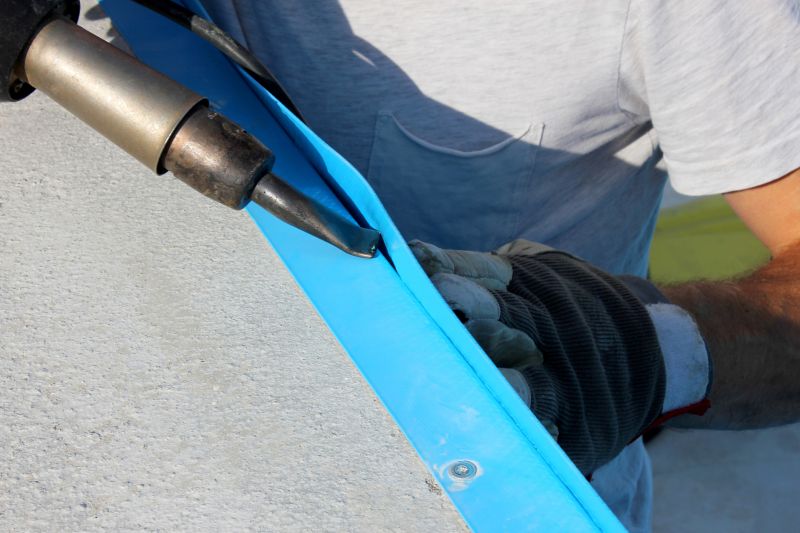
Demonstrates the application of a patch on a torn pool cover.
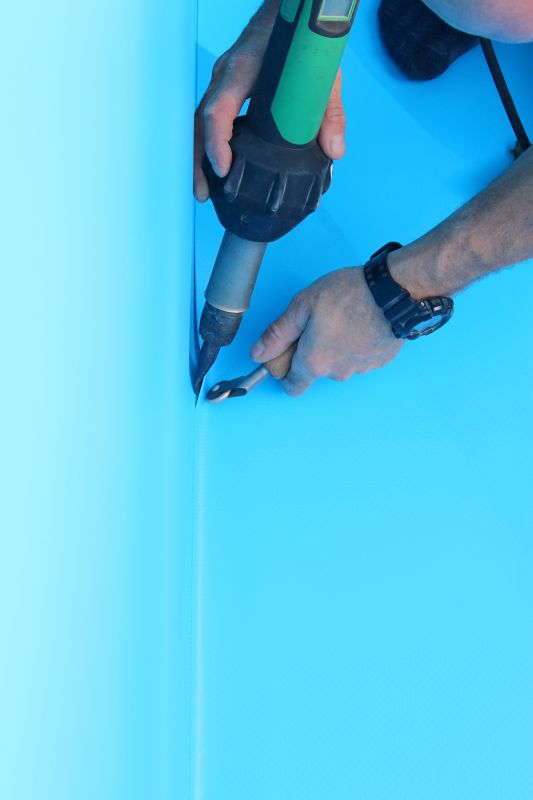
Includes adhesives, patches, and cleaning supplies.
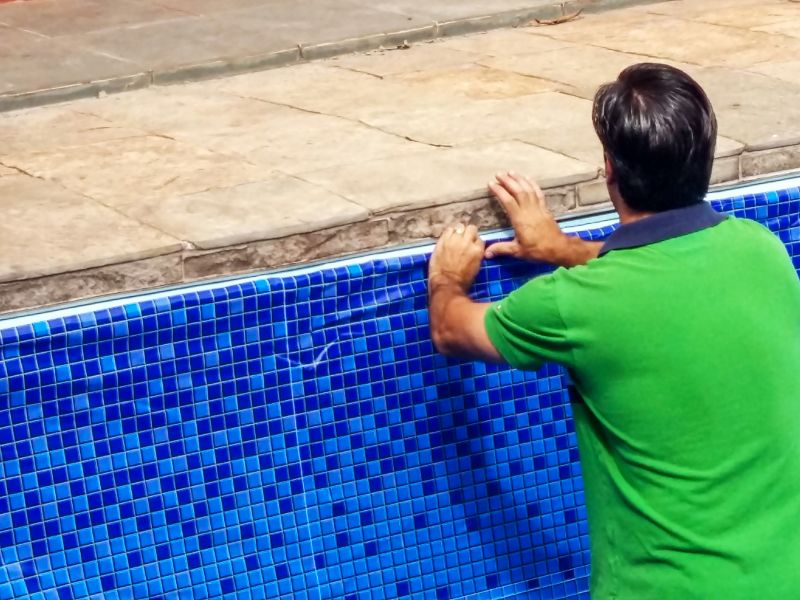
Shows a seamless repair blending with the cover material.
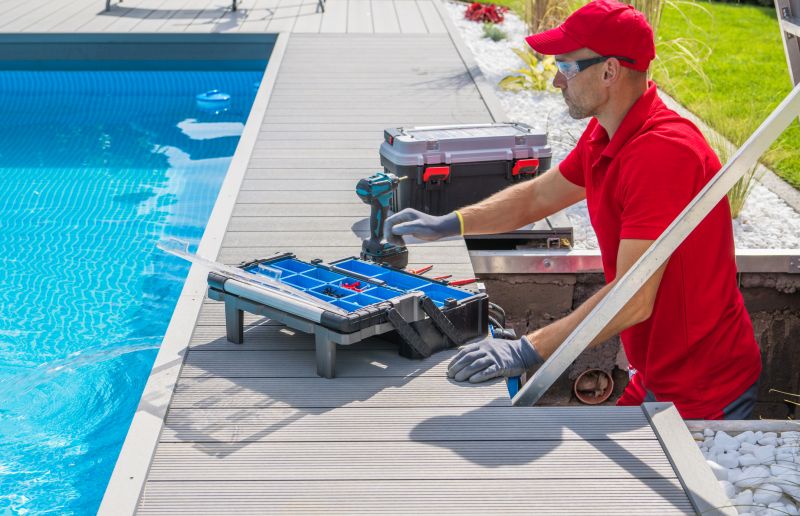
Regular inspection and timely patching prolong cover life.
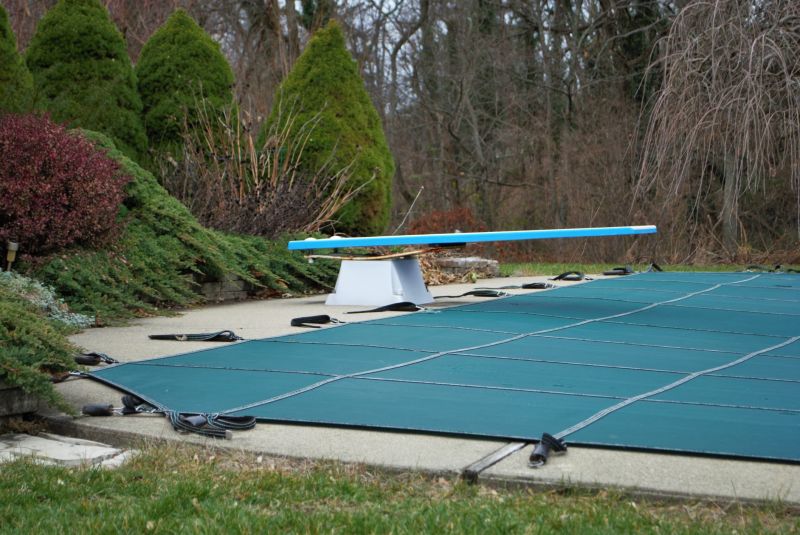
Little measurements that prevent headaches on Pool Cover Patchings day.
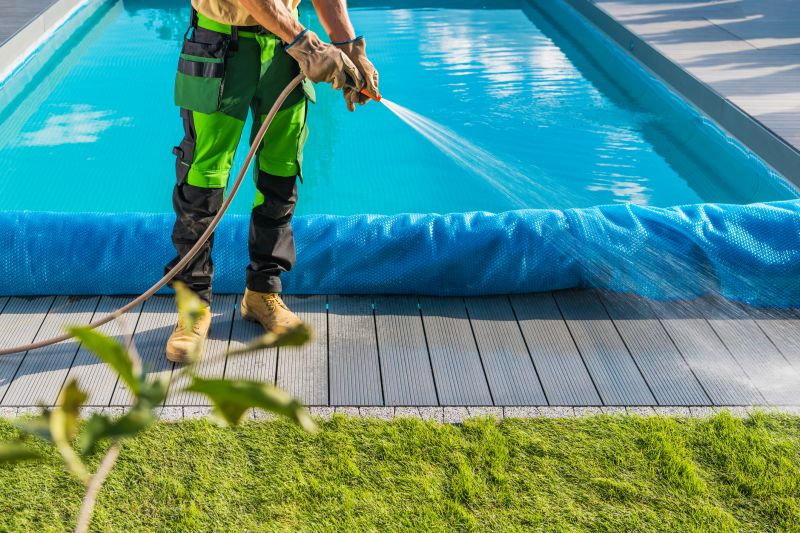
A 60-second routine that keeps Pool Cover Patchings looking new.
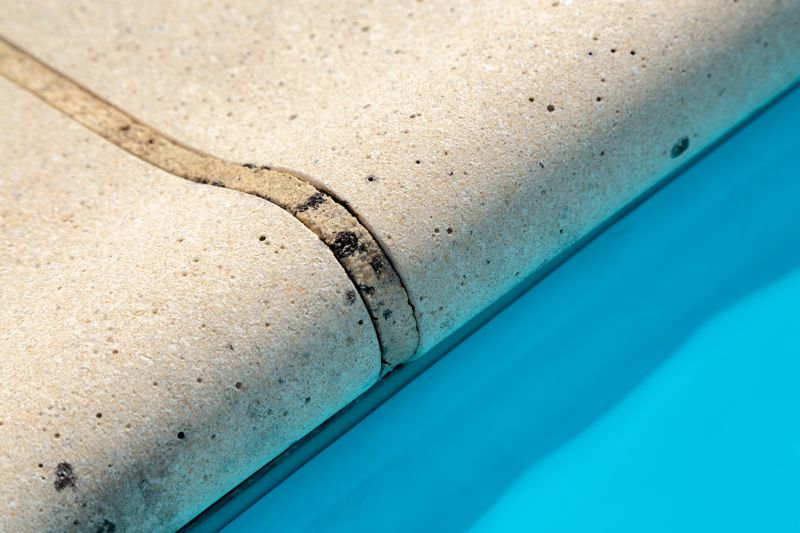
A frequent mistake in Pool Cover Patchings and how to dodge it.
Small tweaks to make Pool Cover Patchings safer and easier to use.
Interested parties are encouraged to fill out the contact form for more information about pool cover patchings. Proper timing and technique can significantly enhance the longevity of pool covers, ensuring continued protection and functionality.